
Get Disability Shower Installation
Disability shower installation services help property owners upgrade or modify bathrooms to improve safety, accessibility, and independence for individuals with mobility challenges.
If you are considering installing a disability shower, you are in the right place to explore your options. Property owners in the area often look into accessible bathroom upgrades to improve safety, comfort, and independence. Whether planning for future needs or addressing current accessibility concerns, understanding the available solutions can help make informed decisions. Keep reading to discover how local contractors can assist in creating a functional and accessible shower space tailored to specific needs.
Comparing local service providers can ensure the right fit for your project, offering practical solutions that meet your requirements. Many property owners choose to work with experienced contractors who specialize in accessible bathroom modifications, helping to ensure the work is completed to standard. Continue exploring to learn more about the services available and how local professionals can support your project’s success.
- Disability Shower Installation - when a person needs a safer, accessible shower space for daily use.
- Accessible Shower Conversion - when existing showers require modifications to accommodate mobility aids.
- Barrier-Free Shower Setup - when a home needs a walk-in or low-threshold shower for easier access.
- Custom Shower Design - when tailored solutions are needed to meet specific mobility or safety requirements.
- Shower Retrofit Services - when upgrading an existing shower to improve safety and accessibility features.
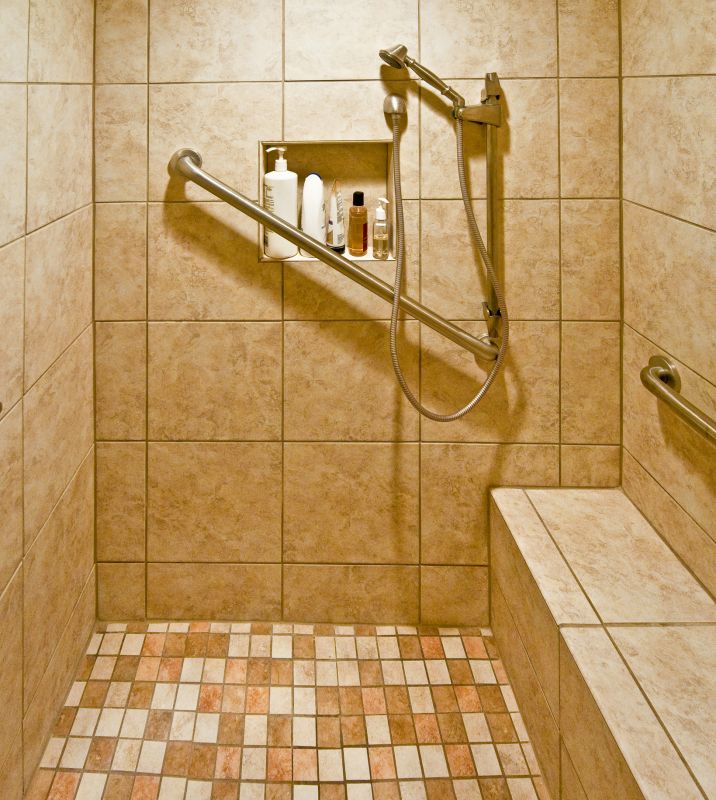
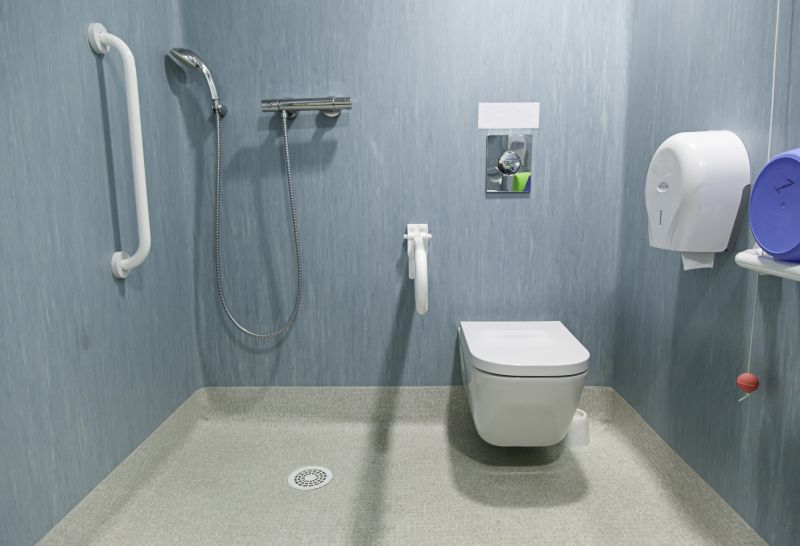
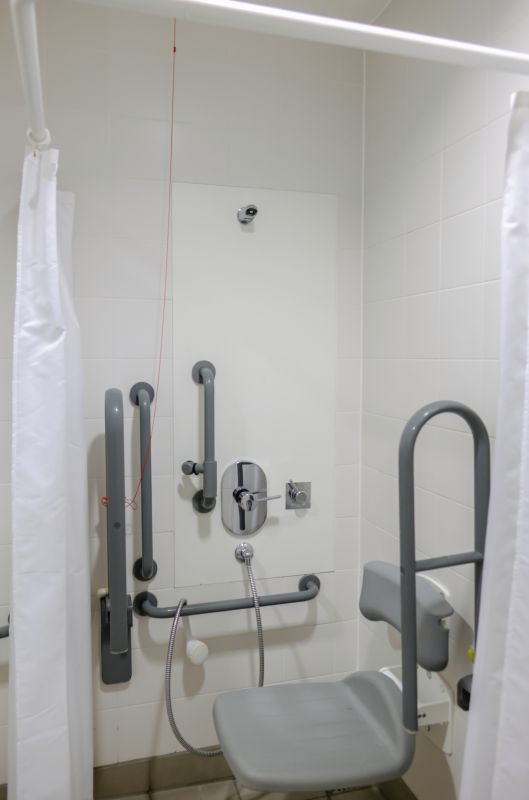
Disability shower installation services involve customizing bathroom showers to accommodate individuals with mobility challenges or other physical limitations. This typically includes installing walk-in showers, low-threshold entries, grab bars, and non-slip flooring to enhance safety and accessibility. Service providers focus on creating a functional space that allows for easier entry and exit, reducing the risk of slips and falls while providing greater independence in daily routines. These installations are designed to meet specific needs, whether for temporary recovery or long-term accessibility.
Many problems can be addressed through disability shower installations, such as difficulty stepping over high tub walls, limited mobility that makes traditional showers unsafe, or the need for additional support features. Homeowners or property managers often seek these services when a household member experiences injury, aging-related mobility decline, or chronic conditions that impact their ability to bathe comfortably and safely. By upgrading existing bathrooms, service providers help improve safety, convenience, and dignity for those with physical limitations.
This type of installation is commonly found in a variety of property types, including private residences, assisted living facilities, and multi-family housing units. Homes that are aging or have been adapted for accessibility needs frequently require modifications to ensure safety and usability. Commercial properties that serve residents or clients with mobility challenges also benefit from disability shower installations. Whether upgrading a single bathroom or outfitting multiple units, local contractors can tailor solutions to meet the specific requirements of each property.
Homeowners considering disability shower installation services should look for experienced local service providers who specialize in accessible bathroom modifications. These professionals can evaluate existing spaces, recommend appropriate features, and handle the installation efficiently. Connecting with qualified contractors ensures that the project meets safety standards and personal needs, helping create a more accessible and secure bathing environment.
The overview below groups typical Disability Shower Installation projects into broad ranges so you can see how smaller, mid-sized, and larger jobs often compare in your area.
In many markets, a large share of routine jobs stays in the lower and middle ranges, while only a smaller percentage of projects moves into the highest bands when the work is more complex or site conditions are harder than average.
Smaller Repairs - For minor modifications or adjustments, local contractors typically charge between $250 and $600. Many routine repair jobs fall within this range, depending on the scope of work and materials needed.
Partial Installation - Installing a new shower or modifying an existing setup usually costs between $1,000 and $3,000. Larger, more complex projects can reach $4,000 or more, though most fall into the mid-range.
Full Shower Replacement - Replacing an entire shower enclosure with accessible features generally ranges from $3,500 to $7,000. Projects of this scale tend to be on the higher end, especially with custom designs or premium materials.
Custom or Complex Installations - Highly customized or intricate disability shower installations can exceed $8,000, with some larger projects reaching $10,000 or more. These are less common but are necessary for specialized accessibility needs.
Actual totals will depend on details like access to the work area, the scope of the project, and the materials selected, so use these as general starting points rather than exact figures.
Bathroom Renovations - This involves similar planning, plumbing, and installation skills needed for accessible shower setups tailored to individual needs.
Accessible Bathroom Modifications - Contractors who install grab bars, ramps, and other accessibility features often have experience with disability shower installations.
Plumbing Installations - General plumbing work supports the installation of specialized fixtures like accessible showers and related components.
Senior Living Facility Upgrades - Upgrading bathrooms for safety and accessibility in these environments requires similar expertise in disability-friendly installations.
Home Remodeling Projects - Remodeling that includes bathroom redesigns often involves planning and installing accessible features, including showers.
Mobility Aid Installations - Installing equipment such as transfer benches or shower chairs requires knowledge of bathroom layouts and plumbing, similar to disability shower installation skills.
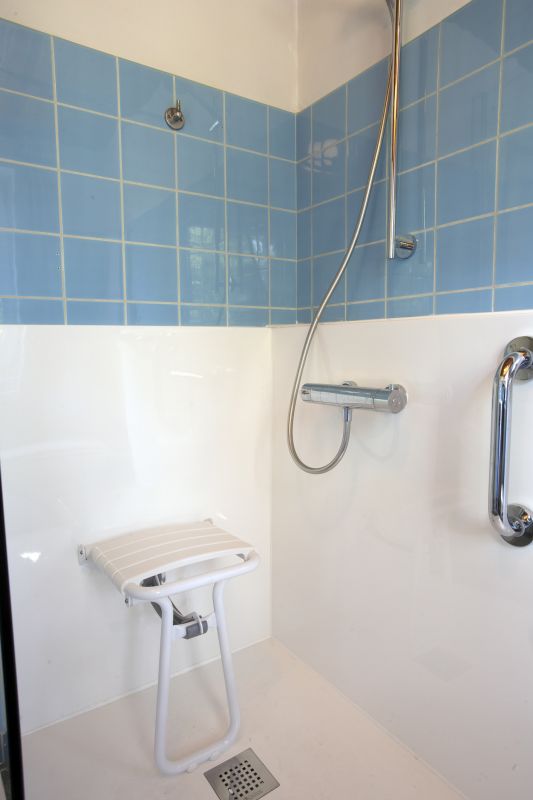
When selecting a service provider for disability shower installation, it’s important to consider their experience with similar projects. Homeowners should inquire whether the local contractors have a history of completing shower modifications or accessibility upgrades comparable to the work needed. An experienced professional is more likely to understand the specific requirements involved, ensuring the installation is both functional and compliant with relevant standards. Checking for a track record of successful projects can provide confidence that the contractor has the skills necessary to handle the complexities of accessible shower installations.
Clear, written expectations are essential to establishing a shared understanding of the scope and details of the project. Homeowners should seek out providers who can offer detailed proposals or estimates that outline what will be done, the materials to be used, and any other pertinent information. Having these expectations documented helps prevent misunderstandings and ensures the project progresses smoothly. It’s also helpful to ask how the contractor communicates updates or changes throughout the process, as good communication can make a significant difference in managing the project effectively.
Reputable references and positive feedback from previous clients can serve as valuable indicators of a local contractor’s reliability and quality of work. Homeowners are encouraged to ask potential service providers for references or examples of completed projects similar to their needs. Speaking with past clients can reveal insights about the contractor’s professionalism, craftsmanship, and ability to meet deadlines. Additionally, good communication skills-such as responsiveness and clarity-are vital for a successful working relationship, making it easier to address questions or concerns as the project moves forward. This approach helps ensure the chosen provider is well-equipped to deliver satisfactory results.
Property owners use Disability Shower Installation services for practical projects around their homes and businesses. This guide focuses on everyday jobs and straightforward project options.
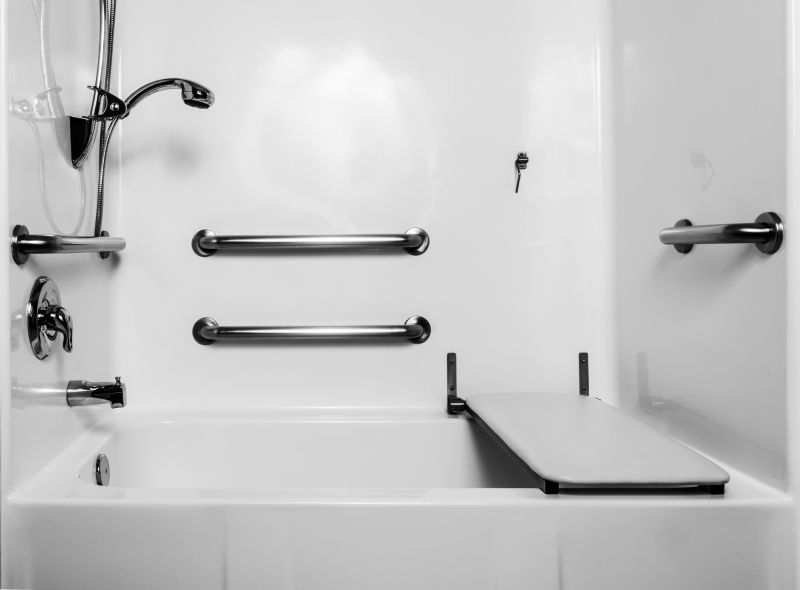
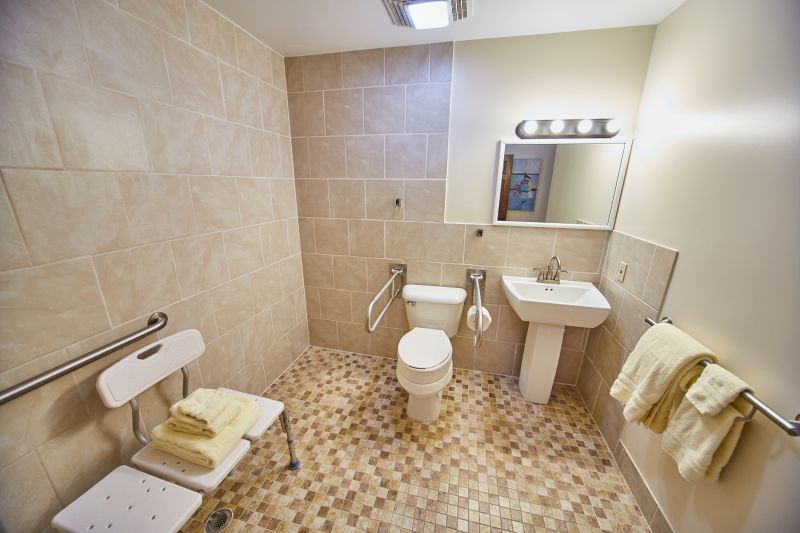
Disability shower installation services are often sought by property owners who need to make their bathrooms more accessible and safer for individuals with mobility challenges. Common situations include replacing existing showers with walk-in or low-threshold designs, installing grab bars, or upgrading fixtures to improve ease of use. These updates can help create a more comfortable and functional space for daily routines, especially for seniors or those recovering from injury or surgery.
Local contractors specializing in accessibility modifications are ready to assist with these projects, providing solutions tailored to specific needs. Property owners may look for experienced service providers to ensure the work is completed efficiently and to a high standard, helping to enhance safety and independence in their homes or rental properties. Connecting with trusted local pros can make the process of installing disability-friendly showers straightforward and stress-free.
What types of disability shower installations do local contractors provide? Local service providers offer a variety of options, including walk-in showers, low-threshold designs, and accessible shower benches to accommodate different needs.
How can a disability shower be customized for specific mobility requirements? Service providers can tailor shower setups with grab bars, non-slip flooring, and adjustable shower heads to suit individual mobility and safety needs.
Are there different installation methods for disability showers based on bathroom layouts? Yes, local contractors assess bathroom space and may recommend walk-in designs, curbless showers, or modular solutions to fit various layouts.
What features should be considered when selecting a disability shower? Important features include safety accessories like grab bars, seating options, non-slip surfaces, and easy-to-reach controls for user convenience.
How do local service providers ensure the installation meets accessibility standards? Contractors evaluate the bathroom and install features that promote safety and accessibility, following best practices to support user independence.
Accessible Shower Installations - Property owners can update existing bathrooms to include walk-in or low-threshold showers for easier access.
Universal Design Shower Solutions - Homeowners might plan to incorporate features that accommodate changing mobility needs over time.
Custom Shower Enclosures - Individuals can choose to add customized shower setups that maximize safety and comfort in their homes.
Bathroom Renovation Ideas - Property owners may consider complete bathroom upgrades to improve accessibility and functionality.
If you are thinking about Disability Shower Installation for a property, this guide is meant to help you understand the work, the typical project types, and how different options might fit your plans.
When you are ready, you can use the quote form on this page to share a few details about your project. From there, local pros can review the basics and respond with options that match what you have in mind.